

Size Guide
Understanding Mylulusstore Sizing


Description
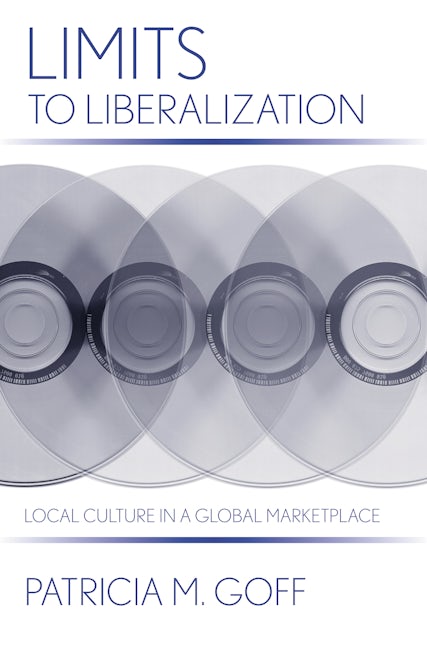
xThe so-called culture industries—film, television and radio broadcasting, periodical and book publishing, video and sound recording—are noteworthy exceptions to the rhetorical commitment of Western countries to free trade as a major goal. These exceptions threatened to derail such high-profile negotiations as NAFTA and its predecessor, the Canada-US Free Trade Agreement, as well as the Uruguay Round of the GATT.
Conventional wisdom did not foresee trouble from this source, because these established industries are not commercial national champions, nor are they particularly large providers of jobs. As Patricia M. Goff shows, the standard trade literature considers the monetary value but doesn't recognize the symbolic importance of cultural production. In Limits to Liberalization, she traces the interplay between the commercial and the cultural.
Governments that want to expand free trade may simultaneously resist liberalization in the culture industries (and elsewhere, including agriculture and health care). Goff traces the rationale for "cultural protectionism" in the trade policies of Canada, France, and the European Union. The result is a larger understanding of the forces that shape international trade agreements and a book that speaks to current theoretical concerns about national identity as it plays out in politics and international relations.
- Choosing a selection results in a full page refresh.