

Size Guide
Understanding Mylulusstore Sizing


Description
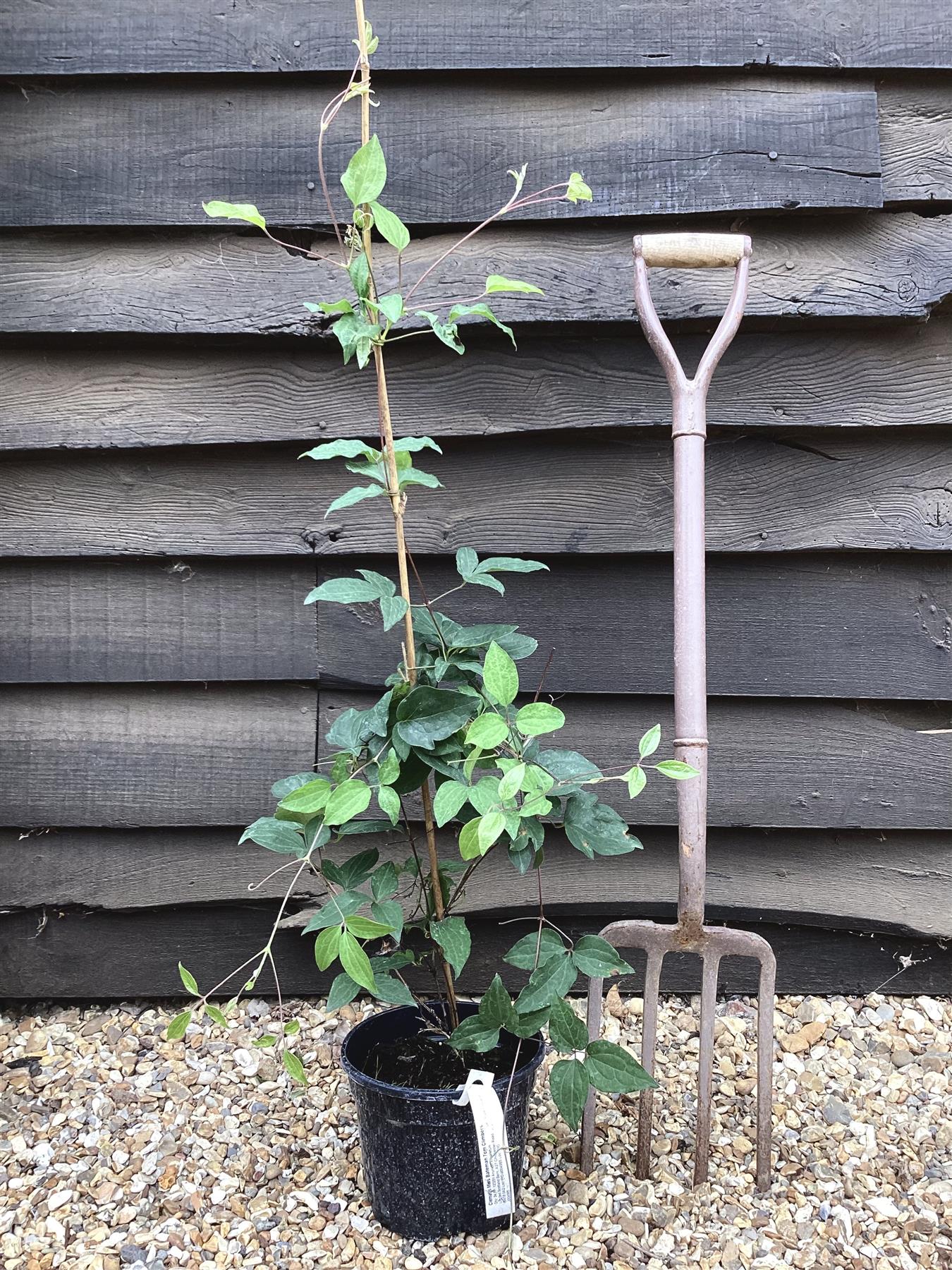
xLonicera japonica 'Halliana' is commonly known as Hall's Japanese honeysuckle. This vigorous, twining vine is native to East Asia and has become a popular ornamental in many gardens and landscapes worldwide. Its appeal largely stems from its highly fragrant, tubular, white to yellow flowers, which bloom prolifically from late spring to fall. As the flowers mature, they transition from a bright white to a creamy yellow, creating a lovely two-tone effect.
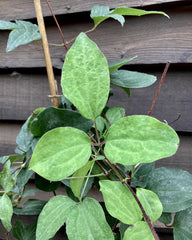
'Halliana' is appreciated not only for its captivating scent but also for its resilience. This honeysuckle can adapt to a variety of soil types, and once established, can withstand occasional droughts. Its dark green, oval to oblong leaves form an attractive backdrop for the blooms, allowing it to serve as an excellent choice for trellises, fences, and arbors.
However, gardeners should be cautious, as Lonicera japonica, including the 'Halliana' cultivar, is considered invasive in several areas. It spreads aggressively both by seeds and vegetative growth, often outcompeting native species. Regular pruning and monitoring can help manage its growth, but those planting it should be informed of its potential impact on local ecosystems.
In summary, while Lonicera japonica 'Halliana' offers beauty and fragrance, its invasive nature calls for responsible gardening practices.
- Choosing a selection results in a full page refresh.