
Size Guide
Understanding Mylulusstore Sizing


Description
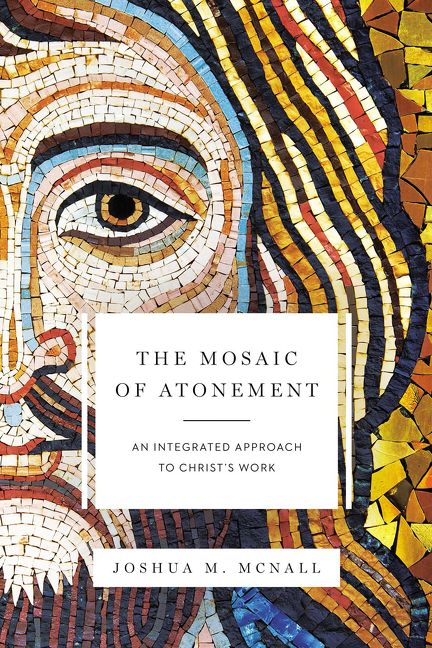
xThe Mosaic of Atonement offers a fresh and integrated approach to historic models of atonement.
Modern treatments of atonement doctrine often tend toward one of two extremes: either a defensive hierarchy, in which one model is singled out as most important, or disconnected plurality, in which multiple images are affirmed without order or arrangement.
In contrast, Joshua McNall argues for an ordered reintegration of four classic "pieces" of the atonement through the image of a Christ-shaped "mosaic":
Recapitulation--the foundational "feet"
Penal substitution (and vicarious representation)--the beating "heart"
Christus Victor--the crowning "head"
Moral influence--the beckoning and restraining "hands"
Unlike a photograph in which tiny pixels present a seamless blending of color and shape, a mosaic allows each piece to retain its unique particularity, even while each piece is enlisted in the ordered service of a beautiful and holistic image. The great mosaics of the church invite viewers not to construct the broader picture, as in a puzzle, but to appreciate it--and to worship through its contemplation. So too with this "mosaic" of atonement doctrine.
While no one model of atonement is set above or against the others, McNall notes particular ways in which the "pieces" of Christ's metaphorical body support one another through biblical logic. Jesus said, "This is my body"; by reintegrating these oft-dismembered aspects of the atonement, The Mosaic of Atonement notes fresh ways in which it was "given" for the salvation of the world.

- Choosing a selection results in a full page refresh.