
Size Guide
Understanding Mylulusstore Sizing


Description
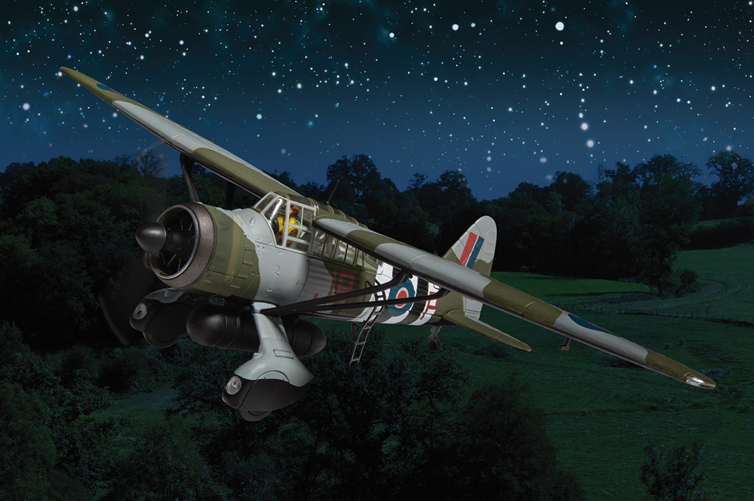
xCOR AA36810 Corgi 1/72 – Westland Lysander MkIIIA, JR-P, No.161 Sqn RAF A Flight, July 1944 2024 Catalogue
In the months leading up to and just after D-Day, the Westland Lysanders of RAF No.161 Squadron made a significant, yet largely unheralded contribution towards the success of this massive Allied operation. Flying incredibly perilous clandestine 'Spy Shuttle' operations, unarmed Lysanders were flown on nights where they could rely on the light of the moon, carrying up to 3 agents, or 'operatives', into enemy occupied France and often bringing others back on the return flight. These operations were vital in providing the Allies with intelligence information and disrupting German activities right across Europe but were incredibly perilous for those involved particularly as they were taking place right under the noses of the Germans.
One of the most unusual Lysanders to ever take part in these famous clandestine operations, this aircraft was flown by pilot 'Lucky' Newhouse and sported D-Day identification markings around its rear fuselage, but significantly, not on its wings. A rather unique aircraft, squadron records show that Newhouse flew this Lysander for the first time on the night of 4/5th August 1944 during 'Operation Scimitar', where he landed in France delivering three agents, bringing back another three on the return flight back to England. Even with the addition of D-Day markings, these nocturnal Lysanders were unusual in that they often came under fire from both enemy and friendly forces, so secretive were their important missions.
- Choosing a selection results in a full page refresh.